Same brick box, two very different fires
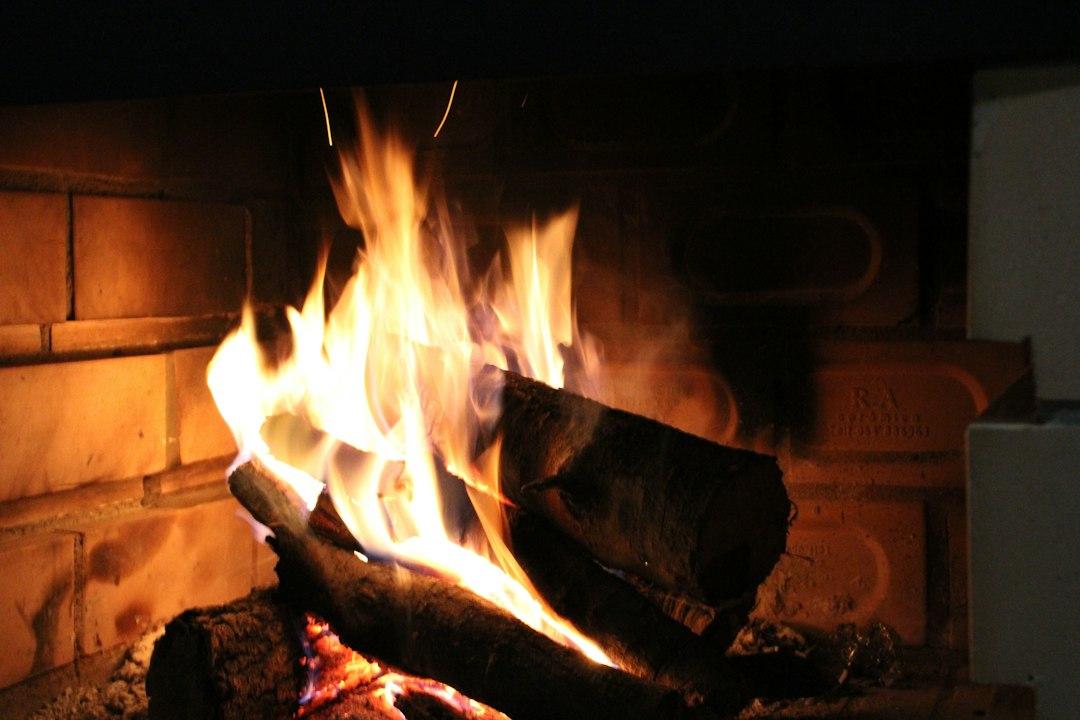
An open fireplace and an insert can sit in exactly the same masonry opening. What differs is where the smoke goes and how much warmth stays behind. An open fire turns the whole opening into a wide mouth that pulls room air up the flue, and most of the heat leaves with it. An insert is a sealed steel firebox set inside the old one, with a liner carrying its exhaust to the top, so the room keeps far more of what the fire makes.
For San Gabriel owners choosing between the two, the deciding factor is rarely the look. It is the flue, and what the camera finds inside it.
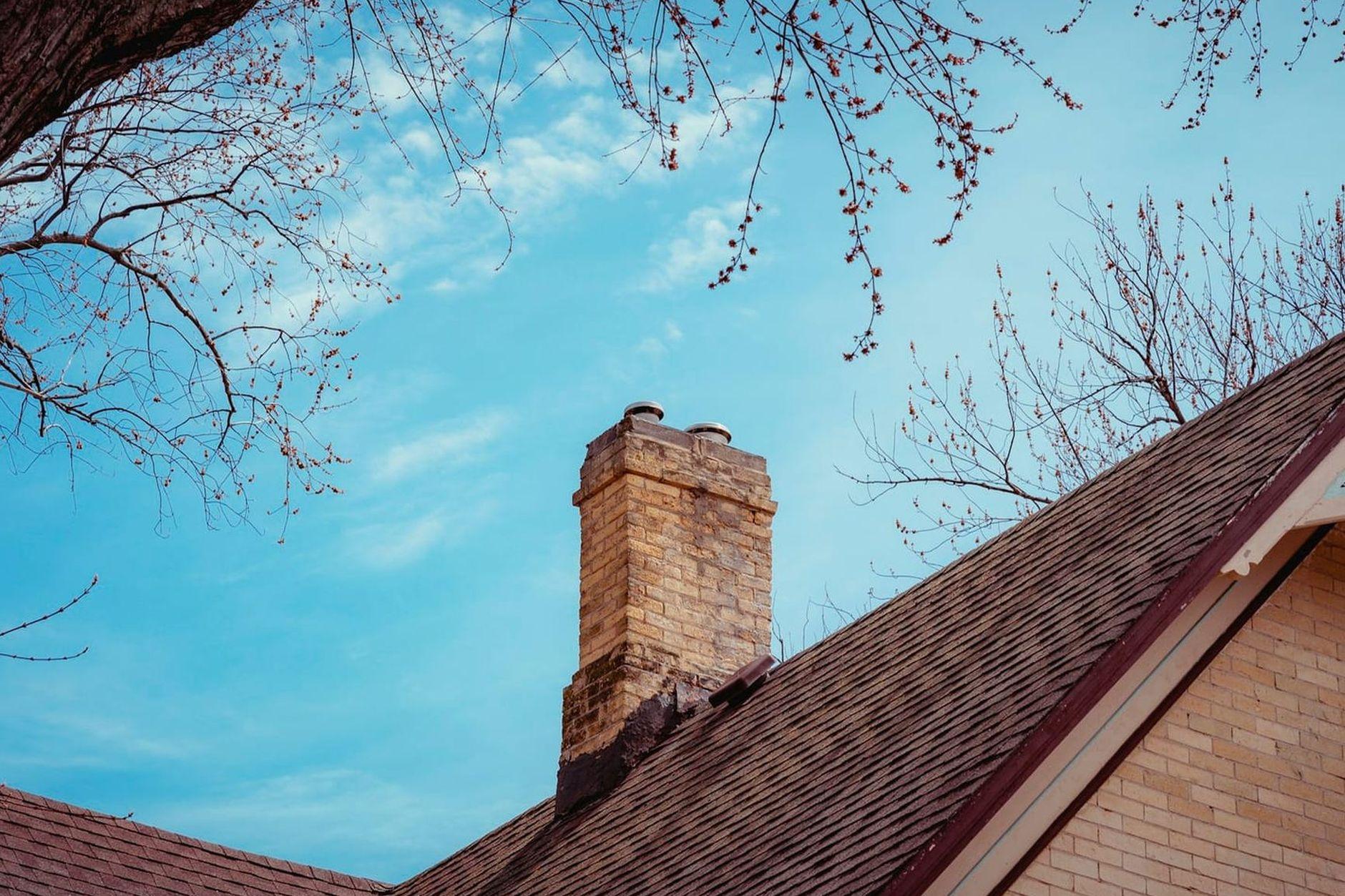
Start at the top of the chimney, not in a showroom
Before anyone picks a model, we film the flue. An insert needs a stainless tube sized to its outlet, running unbroken from the top of the unit to the cap. The footage tells us:
- the inside dimensions of the old tile, so we know which liner sizes will slide through
- any offsets the liner must follow on its way down
- cracks or missing joints, which matter less once a liner is in but still decide whether there is room for insulation
- the state of the smoke chamber and damper, which the liner has to get past
A straight flue with sound tile makes an insert simple. A narrow, offset flue in an older Monterey Park house can limit which units fit, because a larger insert wants a larger tube than the chimney can take.
What keeping the open fireplace asks of you
Staying open costs less up front, but it comes with conditions that do not go away:
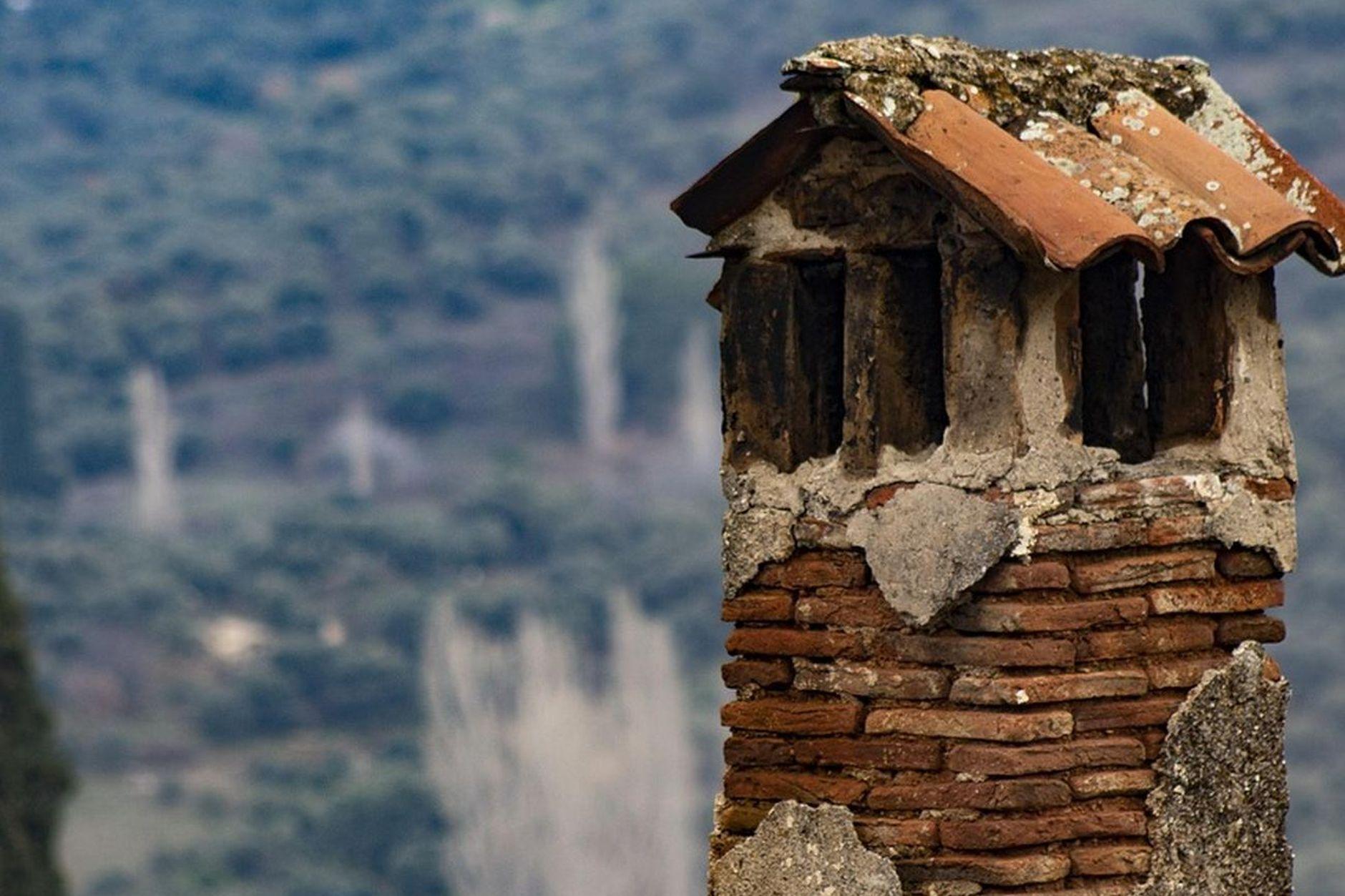
- The tile has to be sound. An open wood fire is the use where cracked tile matters most, and the usual fix for cracked tile is a liner anyway.
- The damper has to seal. An open fireplace with a warped or rusted damper bleeds heated air up the chimney all winter.
- Wood means sweeping. A chimney sweep starts from $430, and a wood burning fireplace should be swept on a regular cycle.
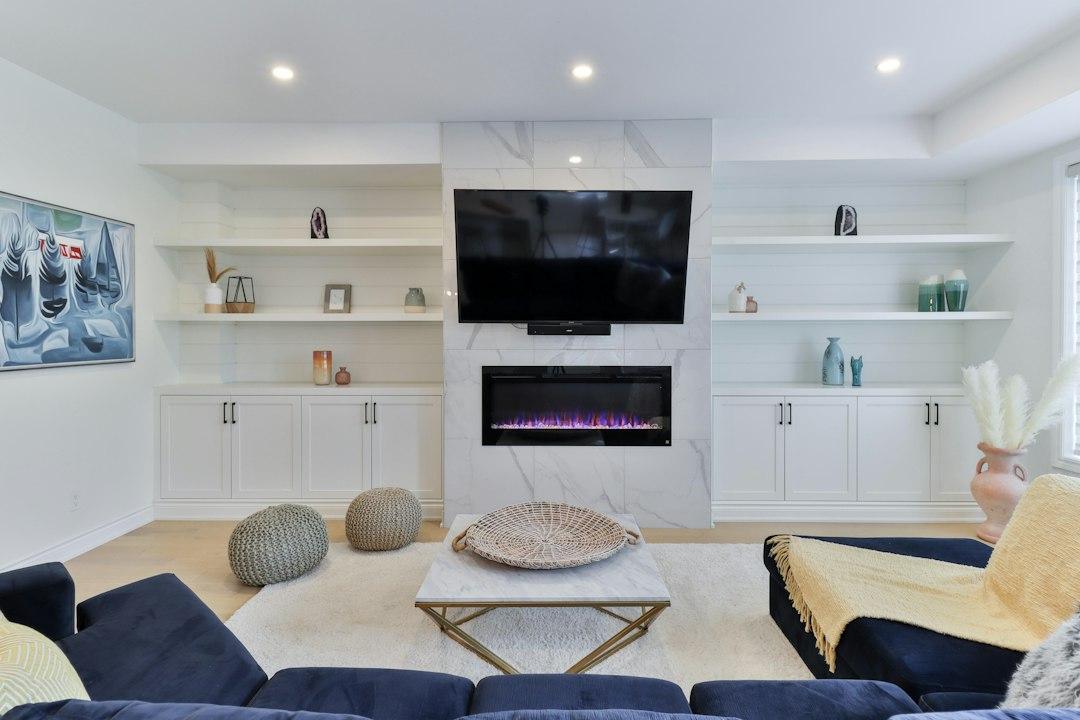
- No-burn days apply. San Gabriel sits inside the South Coast AQMD, whose Rule 445 lets the district stop wood burning on high pollution days in winter. A gas insert is not a wood fire, so those days do not touch it.
If the camera shows a sound flue and you light a fire a handful of evenings a year, staying open can be a perfectly fair choice.
What an insert costs here
Fitting a gas insert into a firebox you already own, liner and connection included, is $2,850 to $5,750 installed. Where a job lands in that span depends on:
- the size and model of the unit you choose
- how tall the flue is, which sets how many feet of liner go in
- whether gas already reaches the hearth or a new run has to be brought in
- the trim, surround and finishing around the face
A wood burning insert has no published figure; its price is built from the scan and the unit you pick. See the fireplace inserts page for the range of units we fit.
Side by side
- Heat kept in the room: open fireplace, little; insert, much more.
- What the flue needs: open fireplace, sound tile and a working damper; insert, a full stainless liner to the cap.
- Regular upkeep: open wood fire, sweeping; gas insert, a service of the burner, glass and pilot.
- No-burn days: open wood fire, off; gas insert, unaffected.
- Spend: open fireplace, whatever repairs the scan calls for; gas insert, $2,850 to $5,750 installed.
Request an insert quote and add the width of the fireplace opening if you have a tape handy; the camera visit fills in the rest.
When the chimney itself says no
Sometimes the footage closes the question. A flue with shifted tiles and a stack that moved in a quake may need structural work before any insert goes in. In that case we show you what the liner would be connected to, and price the masonry repair first, because there is no sense fitting a new unit to a chimney that is coming apart above the roof. Our rebuild page covers that work.
At other times the room is the problem rather than the flue: a firebox too shallow for any unit on the market, or a mantel too close to the opening for the clearances an insert requires. We measure those on the same visit and tell you plainly if the house would be better served by keeping the fireplace open, or by a gas appliance placed somewhere else.
Why the flue order matters for resale
Buyers in the San Gabriel Valley increasingly ask what is inside a chimney, not just what sits in front of it. An insert fitted with a correctly sized liner, filmed before and after, gives the next owner a clear answer. An insert pushed into an old flue with no liner, or with a short length of pipe that stops a few feet up, is one of the findings we see most often on pre-sale scans, and it usually means pulling the unit out and doing the job again. Our relining post explains how that liner is priced.
Next move
When you are ready to see what your flue can take, go to the contact page, tell us roughly how the fireplace is used today, and we will set up a camera visit and price both paths side by side.
Wondering What Your Own Flue Looks Like?
Paige Chimney Services films chimneys from San Gabriel outward. Send the address and what the fireplace burns, and the report comes back with a frame beside every finding.