A fireplace you have never seen lit
When you buy a house, you inherit a chimney whose past you cannot see. You do not know how hard the last owner burned it, whether a liner was ever fitted, or whether a quake shifted the tile thirty years ago. The listing photo shows a tidy firebox with a few logs stacked for effect. The flue above it is the part that costs money, and in San Gabriel it is often the oldest part of the house still in daily use.
This post is for buyers and their agents: why the camera level suits a purchase, what the footage settles, and what it costs.
Why a sale calls for the camera
NFPA 211 lists a sale among the occasions that call for its second inspection level, and the logic is plain once you think about it from the buyer's chair. A visual check assumes someone already knows the chimney. On a purchase, nobody on your side does. The seller may not know either, if they rarely lit the fire.
A general home inspection is broad by design. It covers the roof, the plumbing, the wiring and the foundation in one visit, and the chimney gets whatever time is left. Many of those reports end the fireplace section with a line recommending a specialist look. That line is where we come in.
Our Level 2, with the full video scan of the flue, is $405.
What the footage settles
On a sale, the scan answers questions that otherwise become arguments:
- Is there a liner, and does it reach the top? Older inserts were sometimes vented a few feet into the old tile and left there.
- Are the tiles whole? Splits and open joints show clearly on video, with their height in the flue.
- Did the column move? Tile that has slid sideways is a sign of past shaking, and it changes how the chimney should be used.
- Is there glazed buildup? Heavy, shiny deposits tell you how the fireplace was burned.
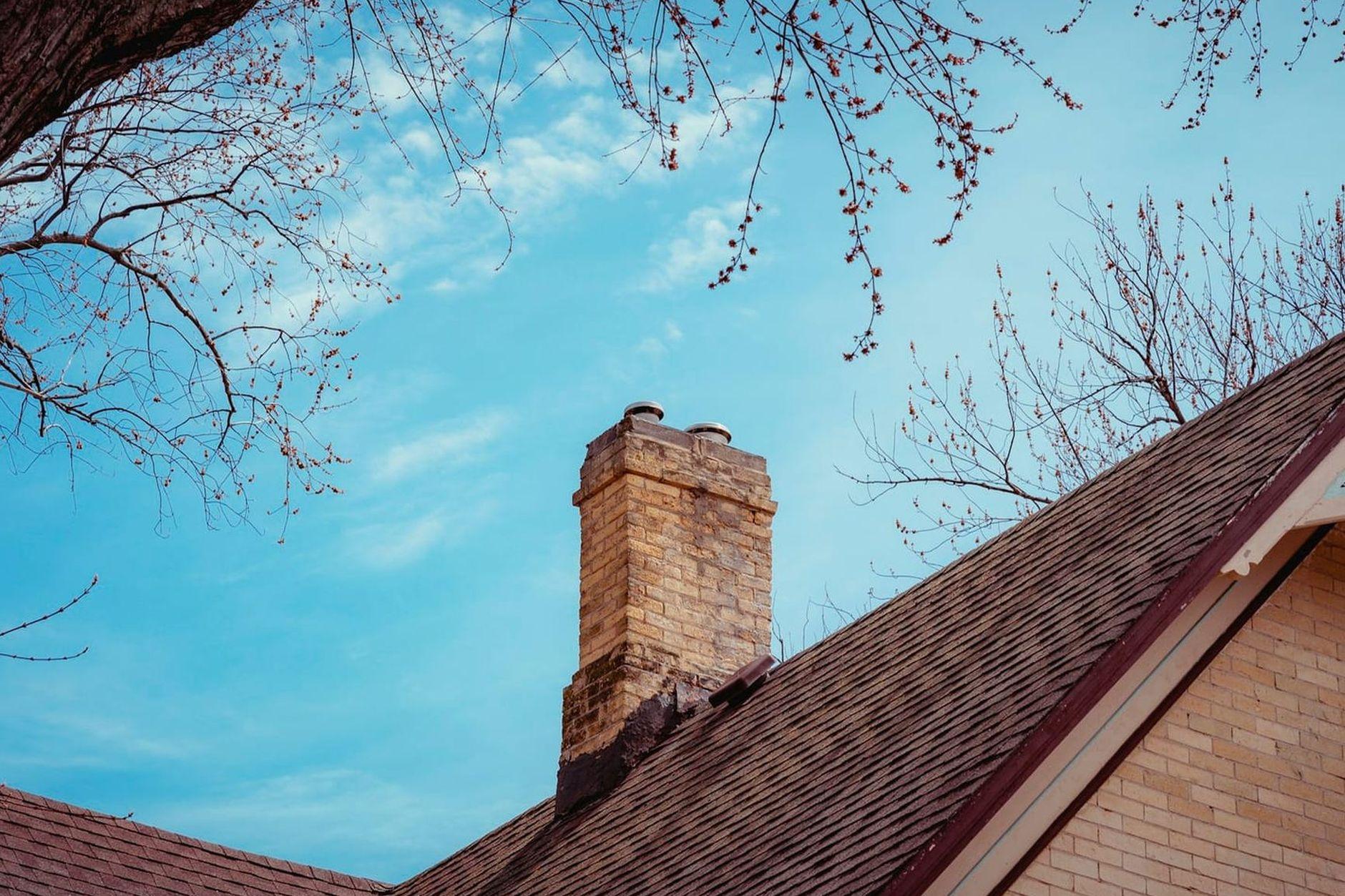
- What does the top look like? Crown, cap, flashing and the brick above the roof are filmed and photographed from the roof.
Each finding is graded and, where we publish a price, shown with it. That gives your agent a document to work from, not an opinion.
Turning findings into a request
The report is written so it can travel. A buyer's agent can attach it to a repair request; a seller can answer it with a fix or a credit. Common findings and how they usually land:
- Water at the chimney: leak repair runs $575 to $3,450 once the source is traced.
- A wide stack with no cricket: a cricket installed is $460 to $1,040.
- Cracked tile through the run: a liner, priced from the footage itself because height, diameter and access vary so much.
- A missing or rusted cap: a cap installed is quoted after we measure, and the price depends on size and material.
Order a pre-purchase scan and include the escrow contact or agent who will let us in.
When to schedule it
Schedule the scan alongside the general inspection if you can, so both reports reach you while you are still deciding. If the general inspector flags the chimney first, book the scan as soon as that note arrives; the footage takes a single visit and the report follows it. Who gets a copy is up to whoever orders it: the buyer, the buyer's agent, or both.
Condos and shared stacks
Many San Gabriel Valley condos and townhouses share chimney stacks between units. On a unit purchase, the scan covers the flue that serves the unit you are buying, and the report notes where the stack is shared. Repairs to the outside of a shared stack usually sit with the association rather than the unit owner, so the report helps your agent ask the right party. Our home sale page explains how this works for unit sales.
Older houses, older flues
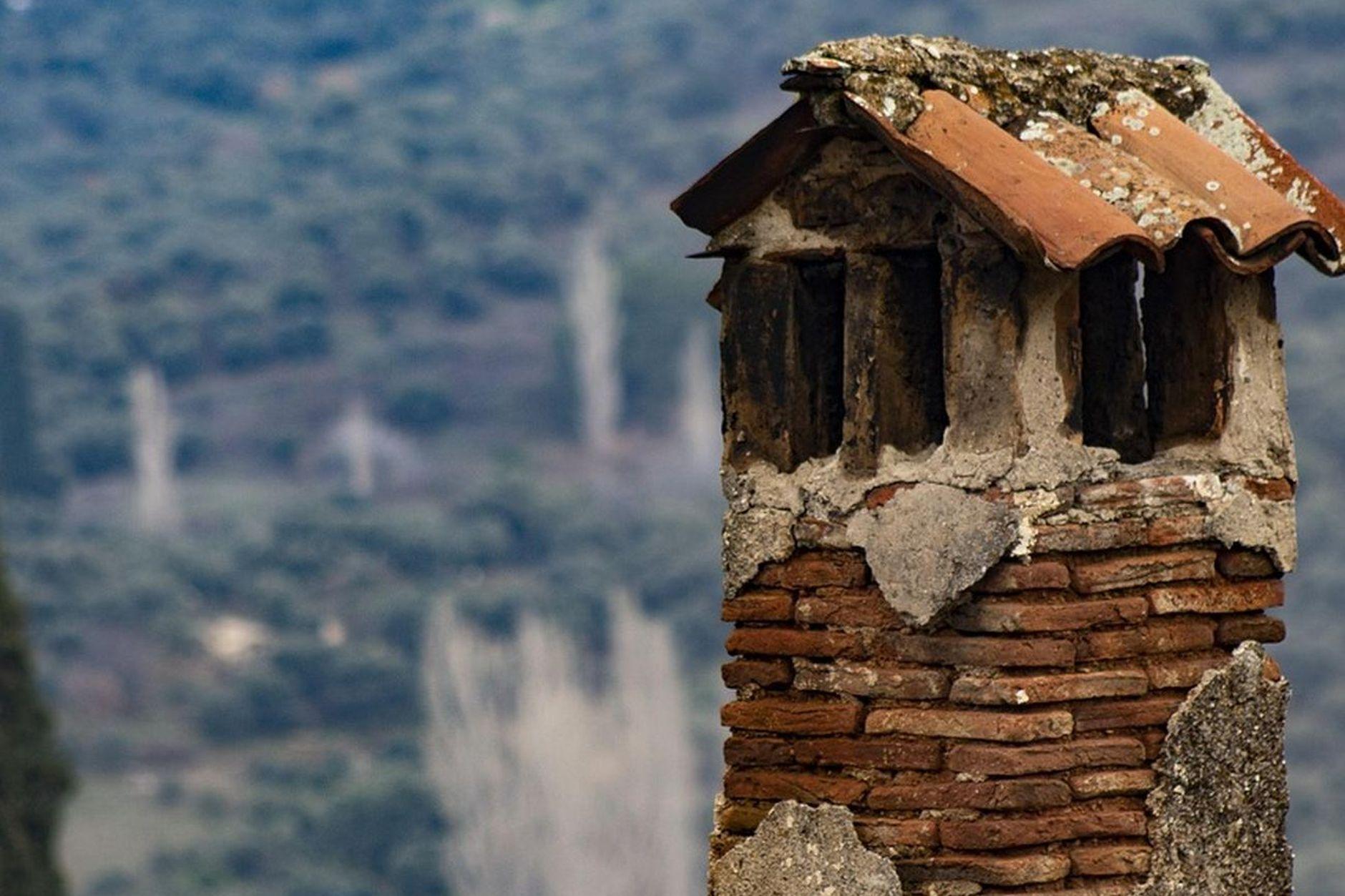
Houses in San Gabriel, Arcadia and Monterey Park cover a long stretch of building years, and the chimneys follow suit: unlined brick in some of the oldest houses, clay tile in most, metal flues with factory-built fireplaces in later tracts. Each one fails in its own way, and each one films differently. Clay tile shows its cracks and joints; metal shows rust, separated sections and soot packed at bends. The camera reaches all of them.
This valley also took real shaking in the 1987 Whittier Narrows quake and again in the 1994 quake. A brick stack can look straight from the street while its tile column carries the damage inside. On a purchase, that is the kind of finding you want before closing rather than after.
What the scan does not decide
The footage tells you what is in the flue and how serious each finding is. It does not tell you whether to walk away, ask for a credit or accept the house as it stands; that is between you, your agent and the seller. What we can do is make each finding plain enough that the conversation is about money and timing rather than about whether a crack is really there. On the day, we also tell you which items affect using the fireplace this winter and which can wait for a later visit.
Sellers can get ahead of it
If you are on the selling side, the same scan done before listing lets you price repairs in on your own terms, or hand buyers footage up front. Our agent page covers how agents book either way.
Book the scan
To set up the camera before your contingency runs out, head to our contact page with the property address and the agent handling access. The report and footage go to the people you name.
Wondering What Your Own Flue Looks Like?
Paige Chimney Services films chimneys from San Gabriel outward. Send the address and what the fireplace burns, and the report comes back with a frame beside every finding.