Two problems that look alike on the screen
On the monitor, a split clay tile looks the same whether the brick around it is sound or crumbling. The camera sees the inside of the flue; it cannot see the outside of the stack. That is why a cracked tile finding in San Gabriel never leads straight to a price. It leads to a second question: is the chimney holding the tile still worth keeping?
If the masonry is sound, a liner fixes the flue and the stack stays. If the masonry is failing, a liner would be a new tube inside a column that is coming apart, and the right job is a rebuild. This post walks through how we tell the two apart and what each costs you.
What the camera shows first
A Level 2 scan, $405 on our list, films the flue from the smoke chamber to the top. On a chimney that needs a decision, the footage usually shows a mix of:
- single vertical splits, often near the top where the tile heats and cools fastest
- open joints where the tile ends have pulled apart
- a stretch of tile that has slid sideways, typically at the roofline
- pieces of tile lying on the smoke shelf
- daylight or loose brick showing through a gap
The pattern matters more than any one crack. Splits spread evenly down the run point to age and heat. A clean break at the roofline, with the tile above it offset, points to movement, and that sends us outside to look at the brick.
What the brick tells us
On the roof and in the attic we check the masonry the camera cannot see:
- Mortar joints. Sand that rubs out under a fingernail means the mortar has given up.
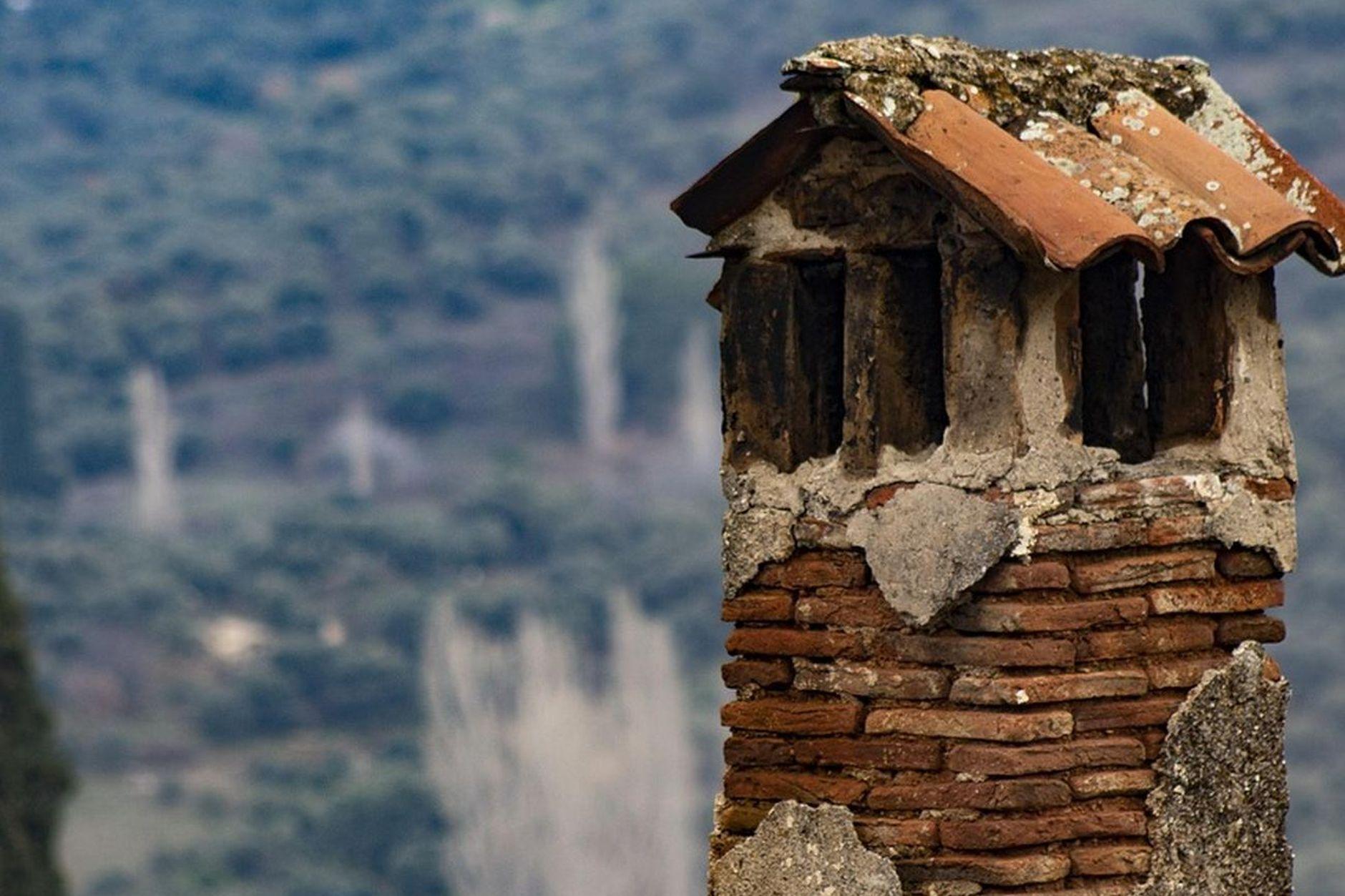
- Spalled face brick. Faces that have flaked off after years of water and heat.
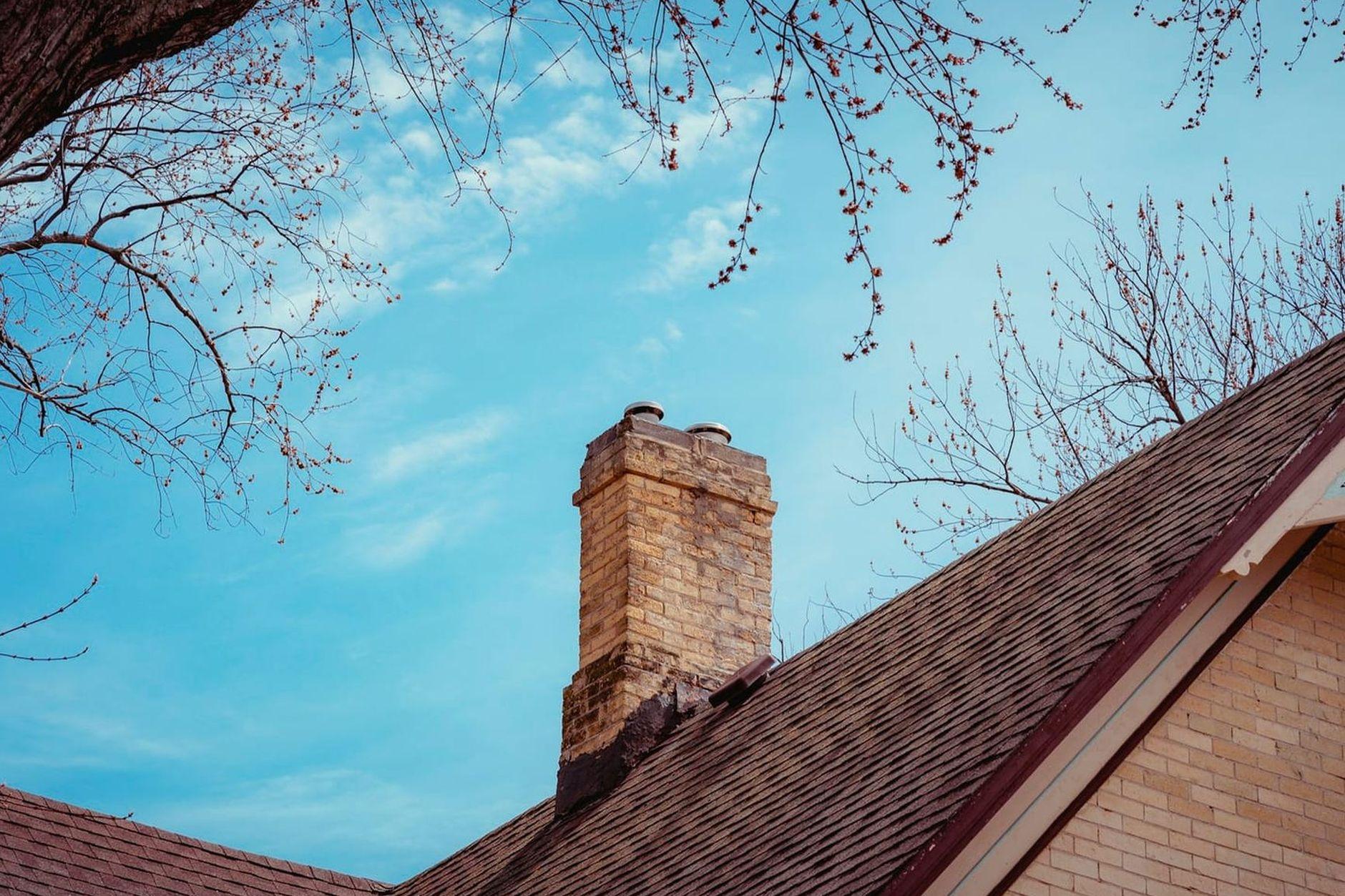
- A crack running across the stack, usually at the roofline, where the chimney flexes against the house in a quake.
- Lean. A stack that is no longer plumb, or has opened a gap against the wall.
- The crown. A crown cracked through lets water straight into the brick below it.
When a liner is the right answer
If the brick is sound and the column has not moved, the flue can be relined and the chimney kept. A stainless liner runs inside the old tile from the appliance to a new cap; the cracked tile stays in place, doing nothing but taking up room. This is the lighter job, done mostly from the roof, and the stack keeps its look from the street. Our relining post breaks down what moves that price.
When the stack has to come down
If the brick above the roof is loose, the mortar is sand, or the column has broken and shifted, a liner alone leaves the real problem in place. The fix is to take the stack down to brick that is still tight and solid, then lay it back up. How far down depends on where sound masonry starts; we only know that once the top courses are off, and the written scope says what happens if we have to go lower than planned.
A rebuild is also the moment to make the flue right. New clay tile or a stainless liner goes in as the brick goes up, a new crown is poured, and a cap goes on top. You come away with one chimney that is sound inside and out, rather than a new liner in an old column. The rebuild page shows the range of work.
The quake question
The San Gabriel Valley has been shaken more than once in living memory. The 1987 Whittier Narrows quake was centred nearby, the 1991 Sierra Madre quake started in the foothills above it, and the 1994 quake reached across the whole county. Brick chimneys are stiff and heavy, the houses they lean on are light and give a little, and the joint between them is where they part company. On many older stacks we film here, the break at the roofline is from one of those events.
That history changes how we read the footage. A crack at the roofline with offset tile above it is a structural finding before it is a flue finding. Rebuilding the top section, sometimes with steel bracing back to the roof framing, is often the sounder spend. Our seismic retrofit page describes those options in general terms.
How the two jobs compare
- What is fixed: relining, the flue only; rebuild, the masonry and the flue together.
- When it fits: relining, sound brick and an unmoved column; rebuild, loose brick, failed mortar or a shifted stack.
- Where the work happens: relining, mostly from the roof; rebuild, the roof, plus scaffolding for taller stacks.
- How it is priced: both from the scan and the roof check, because height, size and access vary so widely between houses.
Ask for a reline or rebuild price and tell us what you can see of the chimney from the yard: a lean, a crack, loose brick, or nothing at all.
Why we film first even on obvious jobs
Even when a stack is plainly coming down, we scan the flue first. The footage shows where the tile damage stops, which is a good guide to where the brick damage stops, and it gives you a before record for your insurer or a future buyer. After the work, we film again, so the file holds both.
Talk to us
For a chimney in San Gabriel, Temple City or anywhere nearby with a crack on the footage or a lean you can see, reach us through the contact page. We will set up the scan and the roof check together.
Wondering What Your Own Flue Looks Like?
Paige Chimney Services films chimneys from San Gabriel outward. Send the address and what the fireplace burns, and the report comes back with a frame beside every finding.